Iran’s Use of Cluster-Type Missiles Raises Concerns Over Impact in Israeli Urban Areas
Weapons designed to disperse submunitions midair are reported in recent strikes during ongoing conflict
Israeli defense officials report that Iran has deployed cluster missiles (טילי מצרר) [tiléi metzrar] during the current conflict, marking a continuation of their earlier use in hostilities described as a 12-day war (מלחמה בת שנים־עשר ימים) [milchama bat shneim-asar yamim] the previous June. These weapons are characterized by their ability to release multiple submunitions while in flight, increasing the area affected upon impact. According to the officials, the systems now being used represent a recurring component of Iran’s operational arsenal in this war context.
The defining feature of these weapons lies in their midair fragmentation (התפצלות באוויר) [hitpatslut ba'avir] and wide-area submunition dispersal (פיזור תת־חימושים) [pizur tat-chimushim]. After being launched, the missile separates before reaching its target, scattering smaller explosive elements across a broad radius. This mechanism allows coverage of densely populated zones, increasing the likelihood of damage over a dispersed geographic footprint rather than a single impact site. The result is an expanded zone of effect that can include residential infrastructure and civilian environments.
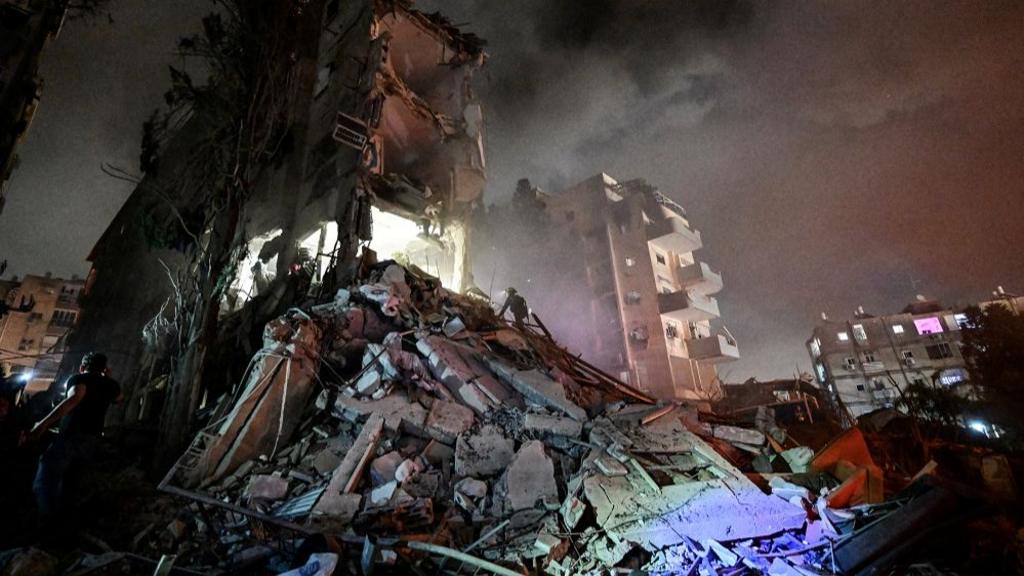
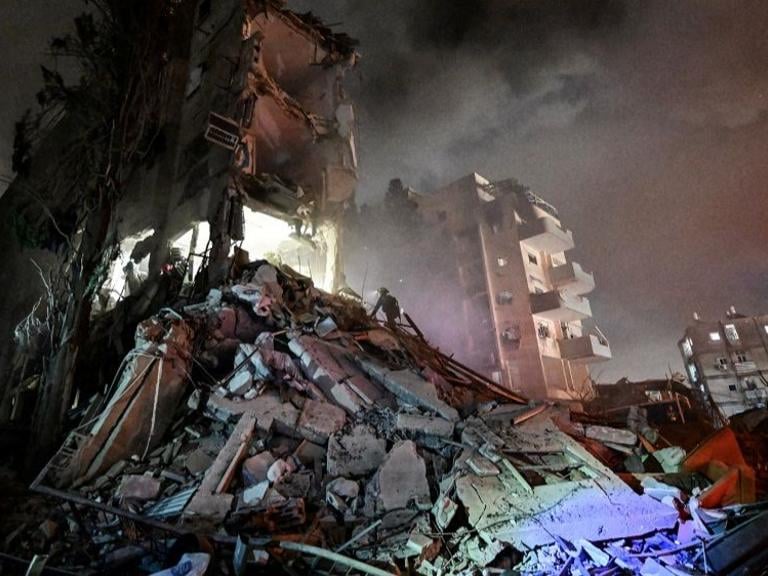
Evidence cited by defense sources includes visible damage to structures in central Israel, where one incident involved a building struck by what officials assessed to be such a weapon. The pattern of destruction observed corresponds to the wide-area impact pattern (דפוס פגיעה רחב) [dfus pgi'a rachav] associated with this class of munitions, rather than the concentrated damage typical of single-warhead systems. These observations form part of the basis for identifying the weapon type used in recent attacks.
Cluster-type munitions have long been subject to international scrutiny due to their post-detonation hazards (סיכונים לאחר פיצוץ) [sikunim le'achar pitzuach] and the presence of unexploded submunitions that may remain active after initial deployment. In general, such weapons are used by militaries to strike multiple targets within a defined operational area, often described as a limited target radius (רדיוס פגיעה) [radius pgi'a] that can extend up to approximately 100 meters depending on the system. However, the scale and configuration of submunitions may vary significantly between different missile designs.
The reported use of these systems in populated areas has intensified attention on their operational implications (השלכות מבצעיות) [hashlachot mivtza'iyot] and civilian exposure risk (סיכון לאוכלוסייה אזרחית) [sikun le'uchlusiyah ezrachit]. Their deployment in urban settings increases the probability of unintended consequences due to the difficulty of controlling the exact landing points of dispersed submunitions. This characteristic has made such weapons a recurring subject of debate in military and legal discussions concerning armed conflict.
As the conflict continues, assessments of weapon systems and their effects remain central to understanding both the tactical environment and the broader consequences for infrastructure and civilian safety.