Israel’s Iron Beam Laser System Enters Combat but Falls Short of Early Expectations
Technical constraints, range limitations and operational challenges restrict its role in current conflict
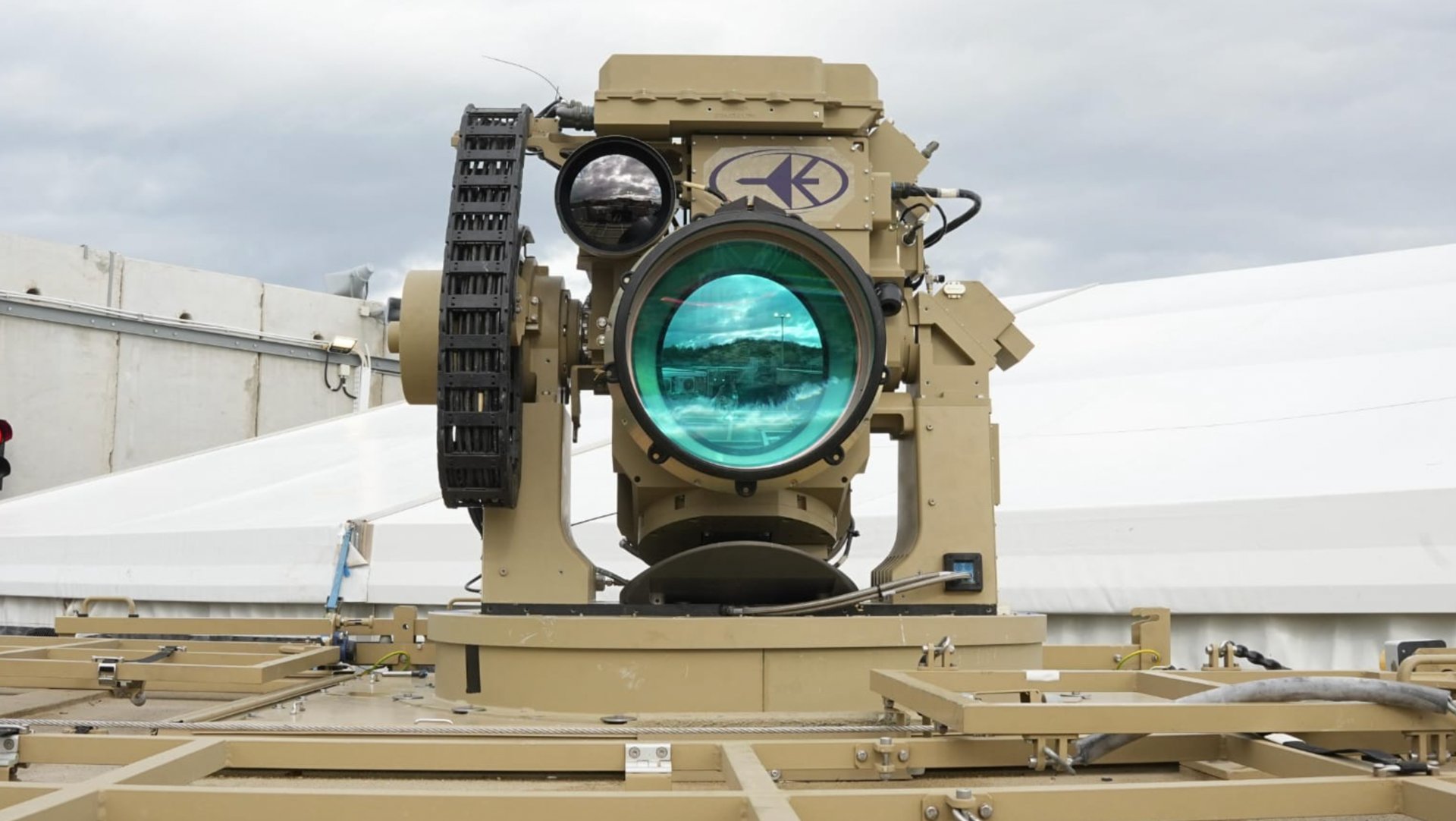
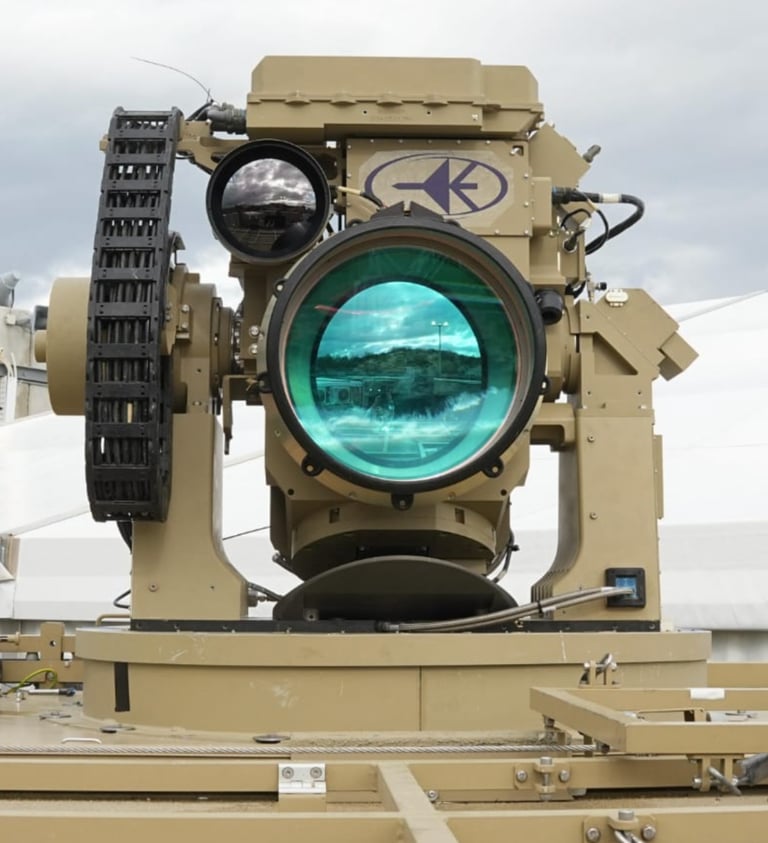
In the early days of the war with Iran, footage circulated online showing what was described as the Iron Beam laser defense system (מערכת לייזר "קרן ברזל") [ma'arechet leizer keren barzel] engaging an aerial target. The clip, widely shared across media platforms, suggested that the system had begun participating in drone interception (יירוט רחפנים) [yirut rachpanim], marking its first visible involvement in active combat scenarios.
Despite this apparent deployment, assessments indicate that the system remains limited in scope and capability. The laser-based platform was not designed to counter ballistic missiles (טילים בליסטיים) [tilim balistiyim], which constitute a significant portion of the threats faced during the conflict. Instead, its intended role focuses on smaller, slower-moving targets such as drones and short-range projectiles, restricting its function within a broader multi-layered defense system (מערכת הגנה רב־שכבתית) [ma'arechet hagana rav-shchavatit].
Experts emphasize that the system’s performance is constrained by short operational range (טווח פעולה קצר) [tvach pe'ula katar] and environmental factors. Laser beams require sustained focus on a target to achieve destruction, making effectiveness dependent on stable conditions. Elements such as atmospheric interference, terrain obstacles, and target movement complicate consistent target engagement (פגיעה במטרה) [pgia b'matara], particularly in complex or urban battlefields.
Another major limitation lies in the system’s energy requirements (דרישות אנרגיה) [drishot energia] and the infrastructure needed to sustain continuous operation. High-powered lasers depend on substantial and reliable energy sources, which can be difficult to maintain in mobile deployments. This creates constraints for both field mobility (ניידות מבצעית) [nayadut mivtza'it] and prolonged usage during extended engagements.
The positioning of such systems also introduces vulnerabilities. Fixed installations, while potentially more powerful, can become identifiable targets, whereas mobile configurations face trade-offs in power output. These factors contribute to ongoing debates about the system’s strategic effectiveness (יעילות אסטרטגית) [ye'ilut astrategit] and its ability to significantly alter battlefield dynamics.
Although the introduction of laser interception technology represents a technological advancement, current evaluations suggest that it functions as a supplementary component rather than a standalone solution. Its integration into existing defense frameworks reflects an incremental approach to addressing evolving aerial threats rather than delivering the comprehensive protective shield that had initially been anticipated.