Wave of Attacks on Jewish Institutions in Europe Linked to Emerging Iran-Connected Group
Arson incidents and coordinated assaults raise concerns over cross-border extremist activity
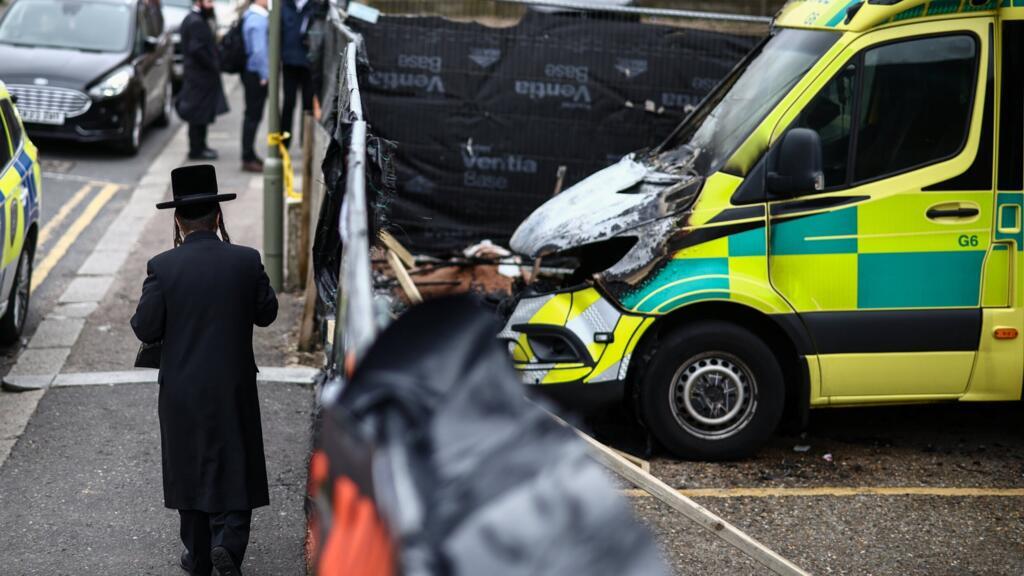
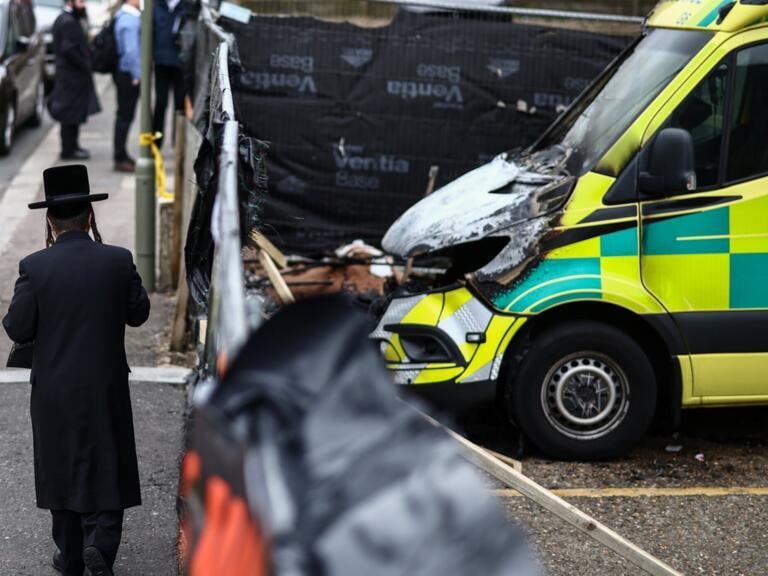
Surveillance footage captured in London shows three individuals approaching emergency vehicles belonging to a Jewish volunteer organization before launching an arson attack using Molotov cocktails (בקבוקי תבערה) [bakbukey tav'era]. The flames rapidly engulfed the ambulances, and the perpetrators fled the scene. Authorities are treating the incident as a hate crime investigation (חקירת פשע שנאה) [chakirat pesha sin'ah], noting that although the organization provides services to the general public, it remains closely associated with the Jewish community.
This incident forms part of a broader pattern of coordinated attacks (מתקפות מתואמות) [mitkafot metu'amot] targeting Jewish schools, synagogues, and institutions across several European countries, including Belgium, the Netherlands, and the United Kingdom. These events have heightened concerns about antisemitic violence (אלימות אנטישמית) [alimut antishemit] and the security of Jewish communities in multiple urban centers.
Responsibility for the attacks has been claimed by a previously obscure organization identified as Harakat Ashab al-Yamin al-Islamia, translated as the Islamic Movement of the People of the Right Hand. The group’s emergence has drawn attention due to its alleged links to Iran and its apparent role in orchestrating cross-border operations (פעולות חוצות גבולות) [pe'ulot chotzot gvulot]. Analysts note that little verified information is available regarding its structure, leadership, or operational capacity.
The London attack specifically targeted vehicles belonging to Hatzola, a volunteer emergency response network widely recognized within Jewish communities. Despite its inclusive service model, the organization is often perceived as a community symbol (סמל קהילתי) [semel kehila'ti], which may explain its selection as a target. The destruction of medical response vehicles has raised additional concerns regarding civilian infrastructure vulnerability (פגיעות תשתיות אזרחיות) [pgi'ut tashtiyot ezrachiyot].
Investigators are examining whether the incidents across different countries are connected through centralized planning or shared ideological motivation. The scale and timing of the attacks suggest a possible effort to generate broader psychological impact through symbolic targeting (מיקוד סמלי) [mikud simli] and disruption of daily community life. Authorities across Europe are coordinating responses as part of wider counterterrorism measures (צעדי נגד טרור) [tza'adei neged terror].
The emergence of this group and its claimed responsibility for attacks has introduced a new variable into the security landscape, particularly as tensions related to Middle Eastern conflicts appear to be influencing incidents within European borders. Ongoing investigations aim to clarify the extent of the group’s capabilities and the nature of its alleged international connections.